
Overview
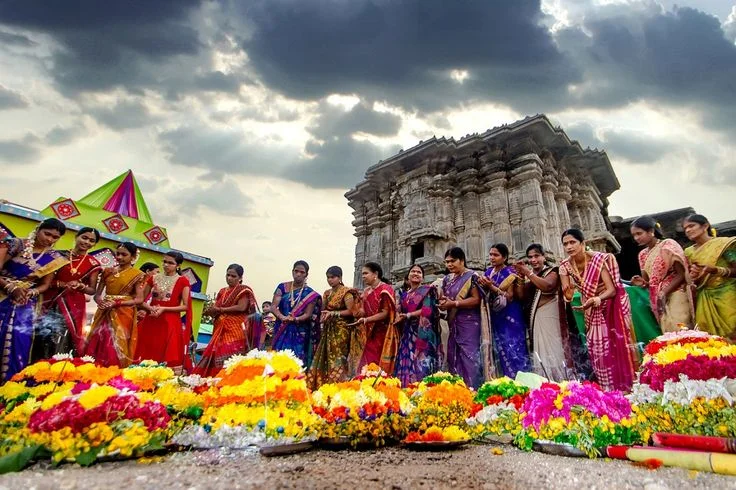
Telangana is planning an expansive presentation of Bathukamma 2025 with a festival model that blends traditional ritual with contemporary spectacle. Announced at a travel fair in Hyderabad, the nine-day calendar seeks to elevate the festival as both a cultural touchstone and a driver of tourism-led economic growth.
Festival design and programming
Organizers propose immersive elements such as floral floats on Hussainsagar Lake, curated processions, thematic installations, and performances that showcase regional art forms. The festival will be staged across heritage sites, starting in Warangal, combining devotional rituals with modern festival infrastructure to attract both domestic and international visitors.
Tourism and economic impact
By positioning Bathukamma as an experiential tourism product, Telangana expects to generate revenue across hospitality, handicrafts, food and transport sectors while creating short-term employment tied to the festival economy. The involvement of artisans and local enterprises is intended to help circulate financial benefits locally and preserve craft traditions through commercial channels.
Cultural sustainability and safeguards
Officials emphasize sustainability measures to minimize ecological footprints, including waste management and responsible procurement of floral materials. Ensuring that commercialization does not erode ritual authenticity will require careful curation and community engagement so that local participants retain agency in how their culture is represented.
Outlook
If managed thoughtfully, Bathukamma 2025 could serve as both a cultural preservation initiative and a template for culturally sensitive tourism. The festival offers a path to boost Telangana’s global visibility while providing livelihoods and reinforcing local identity. Long-term success will depend on balancing spectacle with respect for tradition and on converting short-term visitation into sustained tourism interest.
About the Author